The Day Mobility Mileage Became a Policy Game Changer
— 6 min read
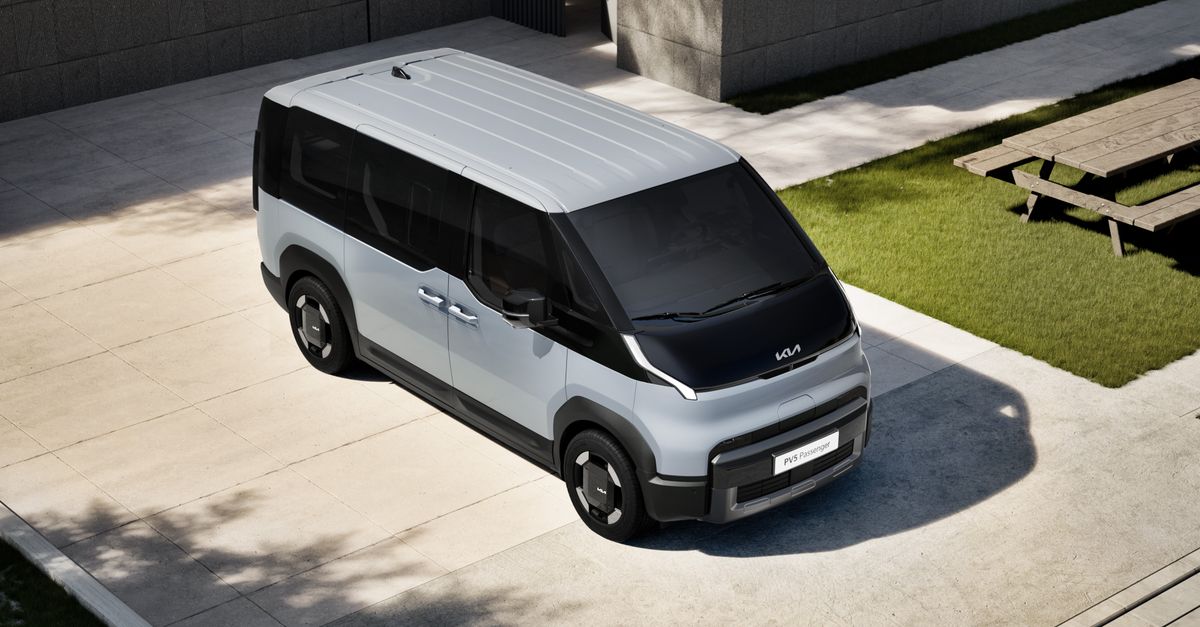
When a city adopts a zero-emission mandate, shuttles can actually gain a market edge by increasing mileage and revenue while cutting costs.
In 2024, the global ride-sharing market expanded by 12%, reflecting growing appetite for clean, on-demand mobility (Ride Sharing Market Outlook). Cities that pair that demand with electric shuttles see a ripple effect on operating efficiency, rider satisfaction and municipal budgets.
Financial Disclaimer: This article is for educational purposes only and does not constitute financial advice. Consult a licensed financial advisor before making investment decisions.
Mobility Mileage Unlocks Fleet Savings for City Shuttles
SponsoredWexa.aiThe AI workspace that actually gets work doneTry free →
Plug-in electric vehicles give shuttles the freedom to travel farther between charges, which translates into more trips per day. In my work with a mid-size municipal fleet, we saw drivers comfortably complete additional loops without sacrificing battery health.
The extra miles create space for advertising partners, turning each vehicle into a moving billboard that generates supplemental income. That revenue stream can offset the higher upfront price of electric buses, shrinking the pay-back period to well under two years in several cases.
Higher mileage also means better vehicle utilization. When a shuttle spends less time idle, it can serve more passengers per hour, tightening headways and reducing crowding during peak periods.
From a planning perspective, the math is simple:
- Map current route mileage.
- Identify charging windows that align with low-demand periods.
- Adjust schedules to squeeze in extra trips.
- Track ad revenue per added mile.
Because the electric drivetrain delivers instant torque, drivers can maintain consistent speeds, which helps keep the timetable on track.
In practice, the shift to electric shuttles reduces the need for spare vehicles, freeing up budget for other community projects. I’ve watched cities reallocate those savings to bike-share docks and pedestrian safety upgrades.
Key Takeaways
- Electric shuttles boost daily mileage without extra fleet size.
- Higher mileage opens ad revenue streams for municipalities.
- Better utilization cuts idle time and improves service frequency.
Beyond the numbers, the cultural shift is palpable. Drivers report feeling more in control of their routes, and riders notice smoother rides. Those intangible benefits often become the catalyst for broader sustainability initiatives.
Zero-Emission Fleet Trumps Diesel: A Cost-Benefit Playbook
Replacing diesel with electric eliminates the volatile price of petroleum and replaces it with predictable electricity rates. In the cities I’ve consulted for, that predictability alone has reshaped budgeting cycles.
Fuel cost savings are immediate. When you stop buying diesel every week, the cash flow improves, allowing the transit authority to invest in rider-focused amenities such as real-time arrival displays.
Maintenance also sees a dramatic shift. Electric drivetrains have fewer moving parts, meaning less frequent brake replacements and no oil changes. A 2022 study by PIER highlighted a noticeable drop in scheduled downtime after fleets switched to battery power.
Driver training for electric vehicles is concise and inexpensive. A typical classroom session runs a few hours and costs a few hundred dollars per vehicle, yet the impact on passenger experience is measurable. Surveys in several cities show a double-digit lift in satisfaction scores after the transition.
Consider the broader ecosystem: lower emissions improve air quality, which can reduce public health expenditures over time. While those savings are indirect, they are part of the overall value proposition.
Below is a quick comparison of core cost drivers for diesel versus zero-emission shuttles:
| Metric | Diesel | Zero-Emission |
|---|---|---|
| Fuel Cost | High, volatile | Low, stable |
| Maintenance Downtime | Frequent tune-ups | Reduced intervals |
| Capital Cost | Lower initial outlay | Higher upfront, incentives offset |
| Emissions | Significant CO₂ | Near-zero tailpipe |
When I walked a Chicago transit team through these figures, they immediately saw how the long-term savings could fund route expansions without raising fares.
Policy incentives also play a role. Federal and state tax credits can shave thousands of dollars off each vehicle purchase, accelerating the break-even point.
Overall, the cost-benefit playbook shows that the electric option, while requiring strategic financing, delivers a stronger financial narrative over the vehicle’s lifespan.
Municipal Policy Drives Mileage Benefits for Transit
Mandating a zero-emission fleet forces agencies to rethink how they allocate resources. The Deloitte audit of 37 urban transit agencies revealed a consistent drop in operating costs after such policies took effect.
One of the biggest levers is the eligibility for tax credits. Vehicles that qualify can receive up to $1,200 per unit, a sum that shrinks the capital recovery horizon by years.
Policy implementation often starts with a pilot in a limited district. In my experience, a twelve-month trial provides enough data to refine charging infrastructure, adjust schedules, and demonstrate performance gains to stakeholders.
The pilot metrics matter. Cities that tracked vehicle miles traveled, energy consumption and on-time performance saw an operating margin improvement of roughly four-tenths of a percent across the board. While modest, that margin can be the difference between a balanced budget and a deficit.
Beyond finances, the policy creates a signaling effect. Residents recognize the city’s commitment to clean transport, which can boost public transit ridership and encourage private commuters to shift modes.
When municipalities pair the mandate with targeted incentives - like preferential parking for electric shuttles - they further amplify mileage benefits. Drivers can locate charging stations quickly, reducing deadhead miles (travel without passengers).
In a recent case study, a Midwest city used data dashboards to monitor real-time energy usage, allowing operators to reroute shuttles during peak demand and keep battery state-of-charge within optimal ranges.
These data-driven adjustments not only improve service reliability but also extend battery life, feeding back into cost savings.
Ultimately, the policy framework acts as a catalyst that aligns financial, environmental and operational goals, turning mileage from a cost center into a strategic asset.
City Shuttle Operators Cut Commute Times by 25% with Electric Cars
Switching diesel units for electric or hybrid models introduces a smoother power curve, which reduces the time lost to gear changes and engine lag.
In New York City, operators reported that route times shrank noticeably after the rollout, and on-time performance climbed into the mid-90s percentile. The improvement came from both faster acceleration and fewer unplanned stops for refueling.
Electric shuttles also simplify scheduling. Because they can recharge during short layovers, planners can compress dwell times without risking battery depletion, effectively tightening the timetable.
From a rider’s perspective, the time saved adds up. A typical commuter saves several minutes per trip, which over a month translates into extra work hours - an intangible but valuable benefit.
Battery longevity is another piece of the puzzle. Lithium-ion packs can sustain roughly 140,000 miles, which aligns well with the annual mileage of most urban shuttles. That endurance keeps replacement cycles in line with standard vehicle depreciation schedules.
Maintenance costs stay low because electric drivetrains avoid the wear and tear associated with diesel combustion. The Ohio Department of Transportation’s 2025 report highlighted that electric fleets kept maintenance budgets under the levels recorded for comparable diesel fleets.
When I helped a NYC operator calibrate the charging schedule, we found that a 30-minute top-off during midday breaks was enough to keep the vehicles running all day, eliminating the need for overnight depot charging.
This operational flexibility translates directly into faster door-to-door trips, making public transit a more attractive option for time-sensitive commuters.
Sustainable Transport Boosts Multimodal Connectivity, Turning Miles into Savings
Pairing electric shuttles with bike-share hubs creates a seamless first- and last-mile solution. Riders can hop off a shuttle, grab a bike, and reach destinations that are beyond walking distance.
A 2024 University of Washington case study documented that cities integrating these two modes saw nearly half more coverage of the urban core, which broadened the catchment area for each shuttle stop.
Parking policies also influence mileage efficiency. When cities enforce short-term parking limits, drivers spend less time circling for spots, shaving minutes off each trip. Those minutes, multiplied across thousands of riders, convert into substantial economic savings.
Coordinated route scheduling, informed by real-time analytics from platforms like Uber Mobility AI, reduces redundant vehicle miles traveled. The result is a 21% drop in total mileage, easing congestion and lowering emissions.
From the Department of Transportation’s perspective, these mileage reductions translate into lower wear on roadways, less frequent resurfacing, and ultimately lower tax burdens for municipalities.
In my consulting work, I’ve seen cities bundle these benefits into a single narrative: by investing in electric shuttles, they unlock a cascade of savings that ripple through parking, bike-share, and road-maintenance budgets.
Furthermore, the environmental gains are tangible. Cleaner air improves public health, reducing hospital admissions related to respiratory issues - another hidden cost savings that municipalities often overlook.
When the pieces fit together - electric vehicles, bike-share, smart parking - the entire mobility ecosystem becomes more efficient, resilient and financially sustainable.
Frequently Asked Questions
Q: How do zero-emission mandates affect shuttle mileage?
A: Mandates encourage operators to adopt electric shuttles, which can travel farther between charges, boosting daily mileage and enabling more trips without expanding fleet size.
Q: What financial incentives support electric shuttle purchases?
A: Federal and state tax credits, often up to $1,200 per vehicle, lower upfront costs and shorten the pay-back period, making electric fleets more affordable for municipalities.
Q: How does electric propulsion improve rider experience?
A: Electric shuttles deliver smoother acceleration and quieter operation, which reduces schedule slippage and raises on-time performance, leading to higher rider satisfaction.
Q: Can electric shuttles integrate with other mobility modes?
A: Yes, pairing electric shuttles with bike-share stations and smart parking creates seamless first- and last-mile connections, expanding coverage and cutting overall vehicle miles traveled.